
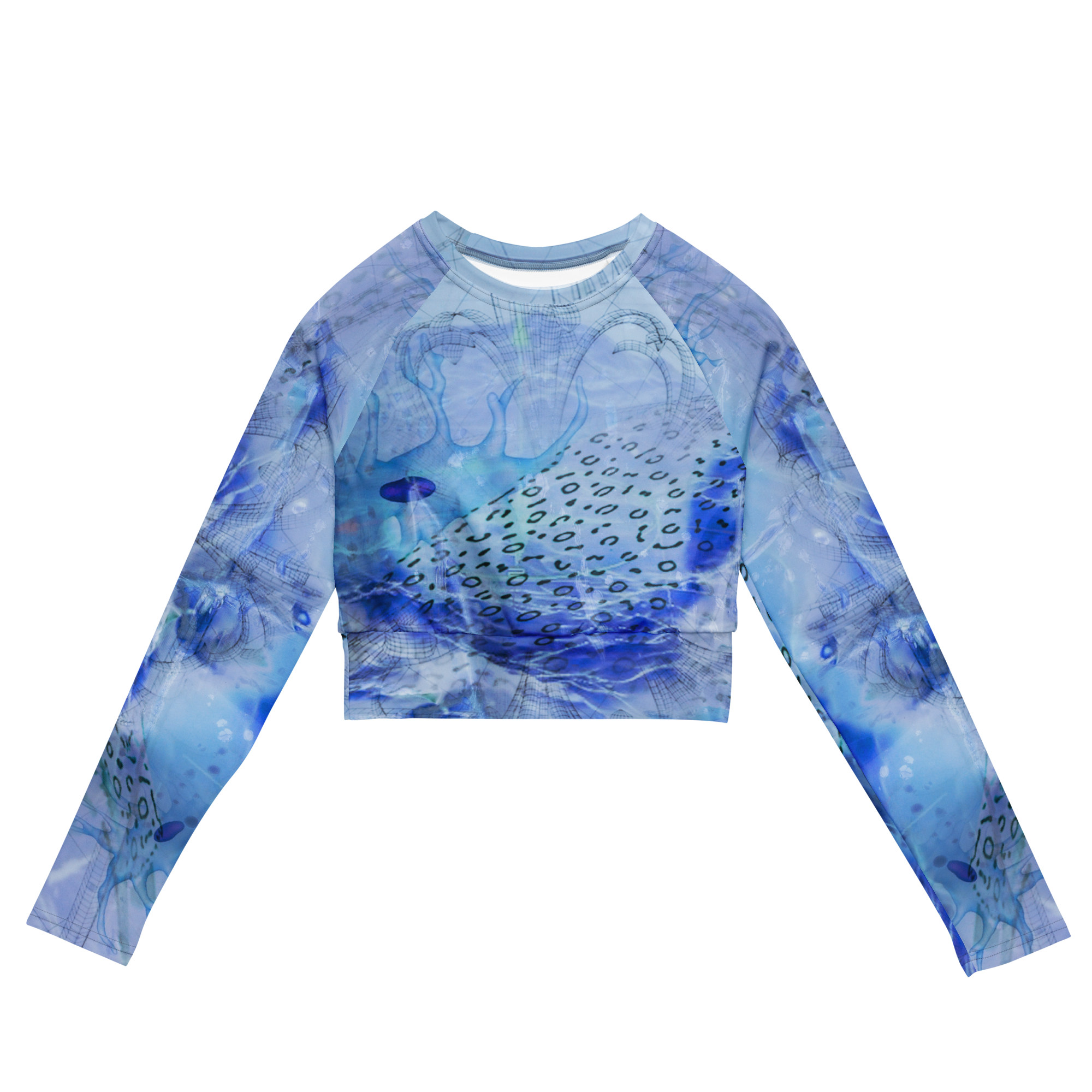
 Image 1 of 5
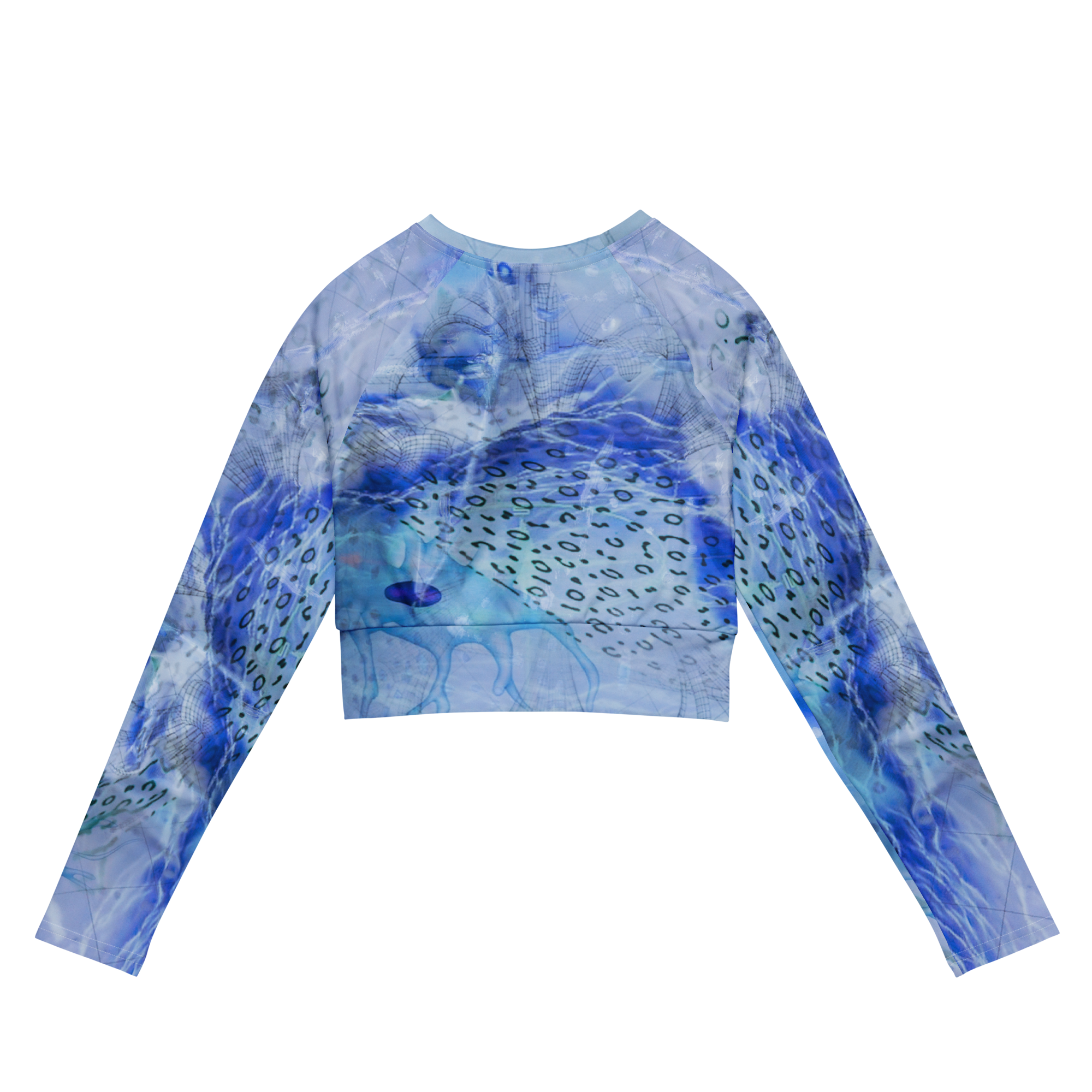 Image 2 of 5
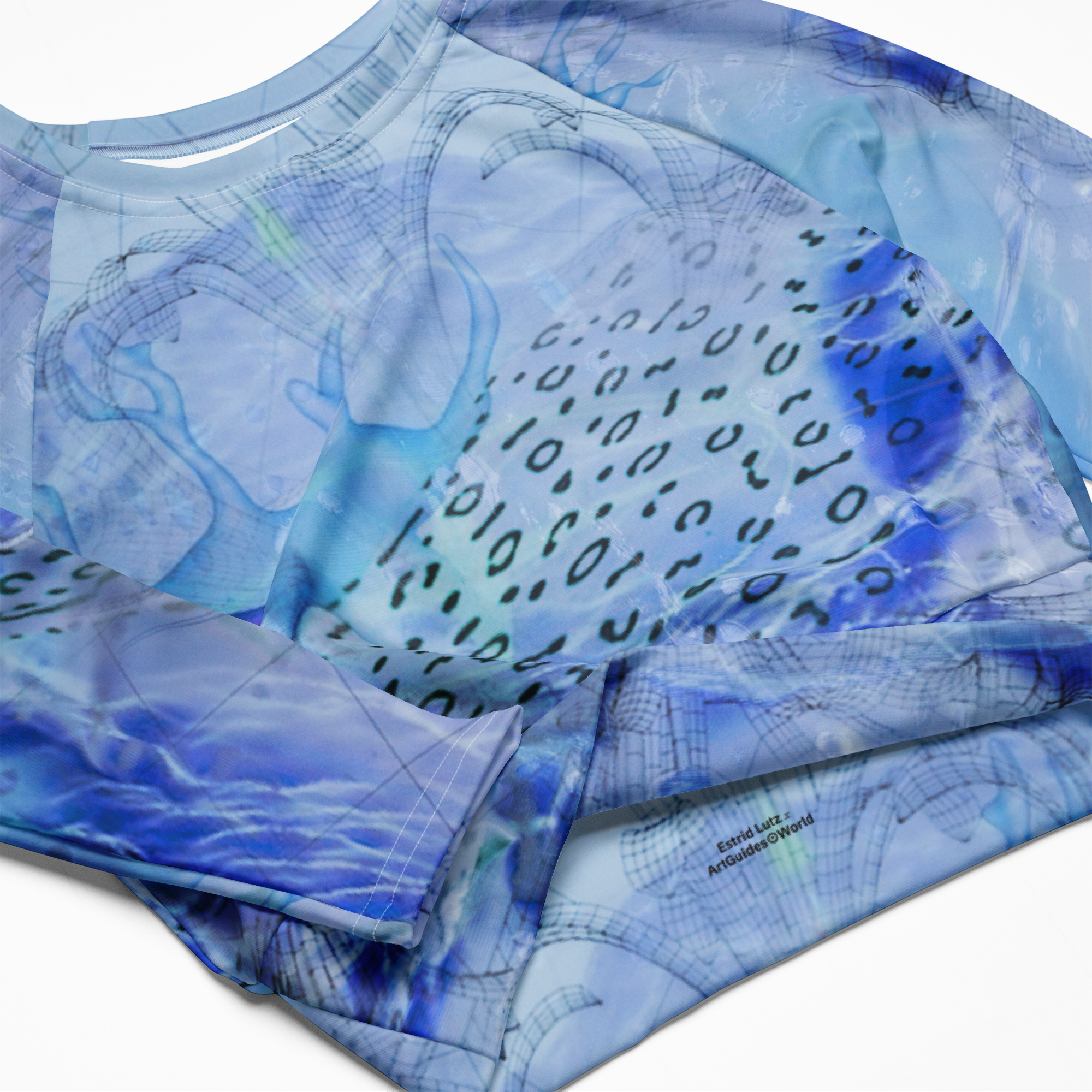 Image 3 of 5
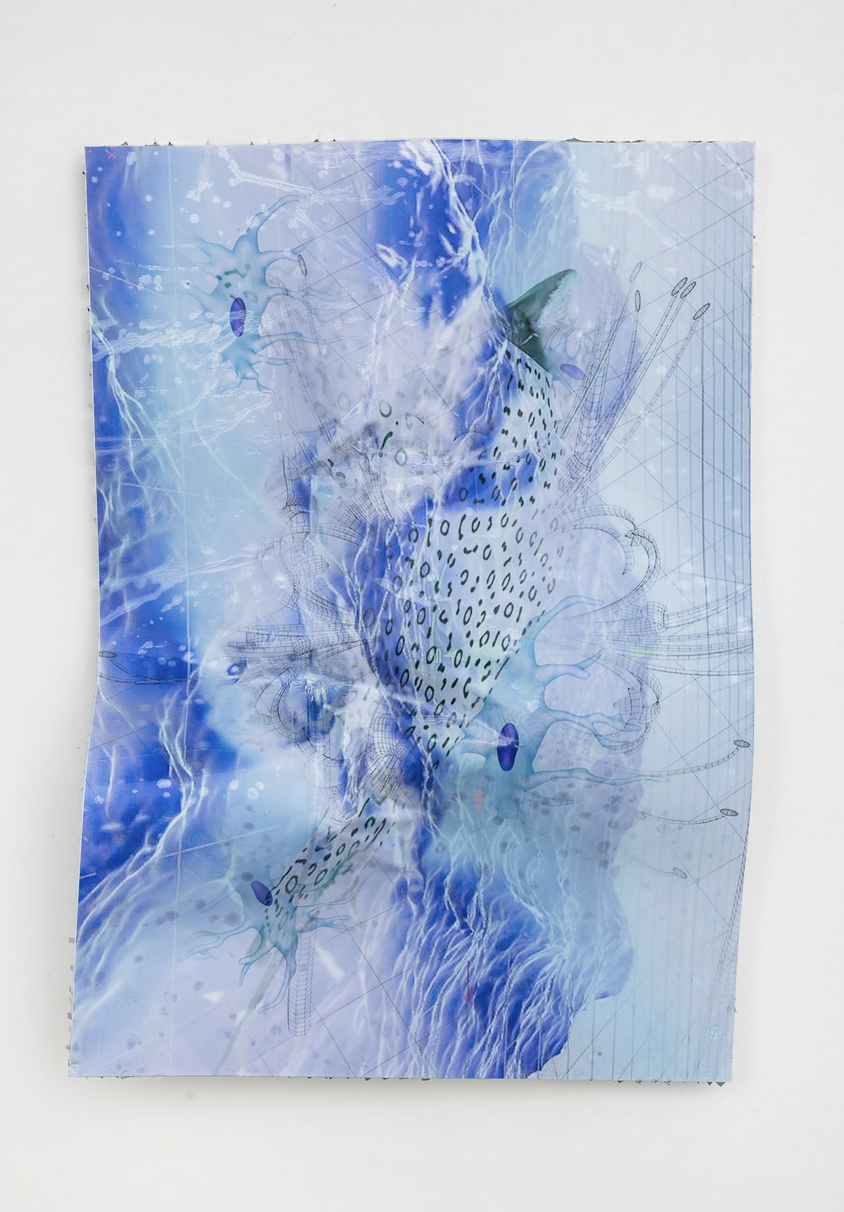 Image 4 of 5
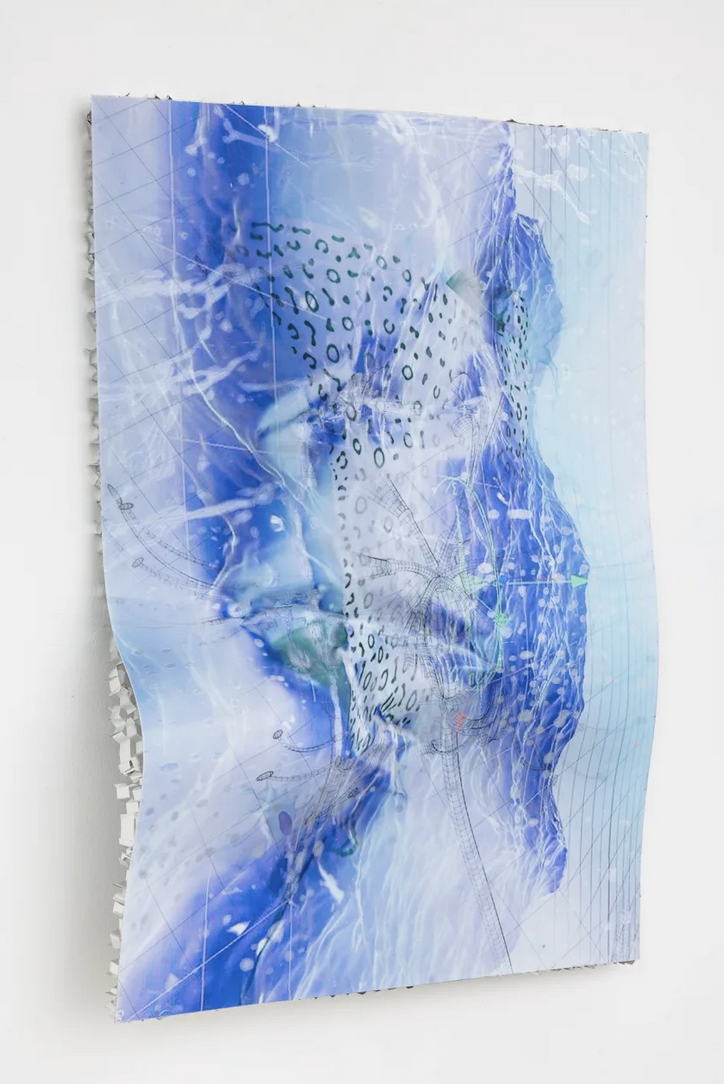 Image 5 of 5
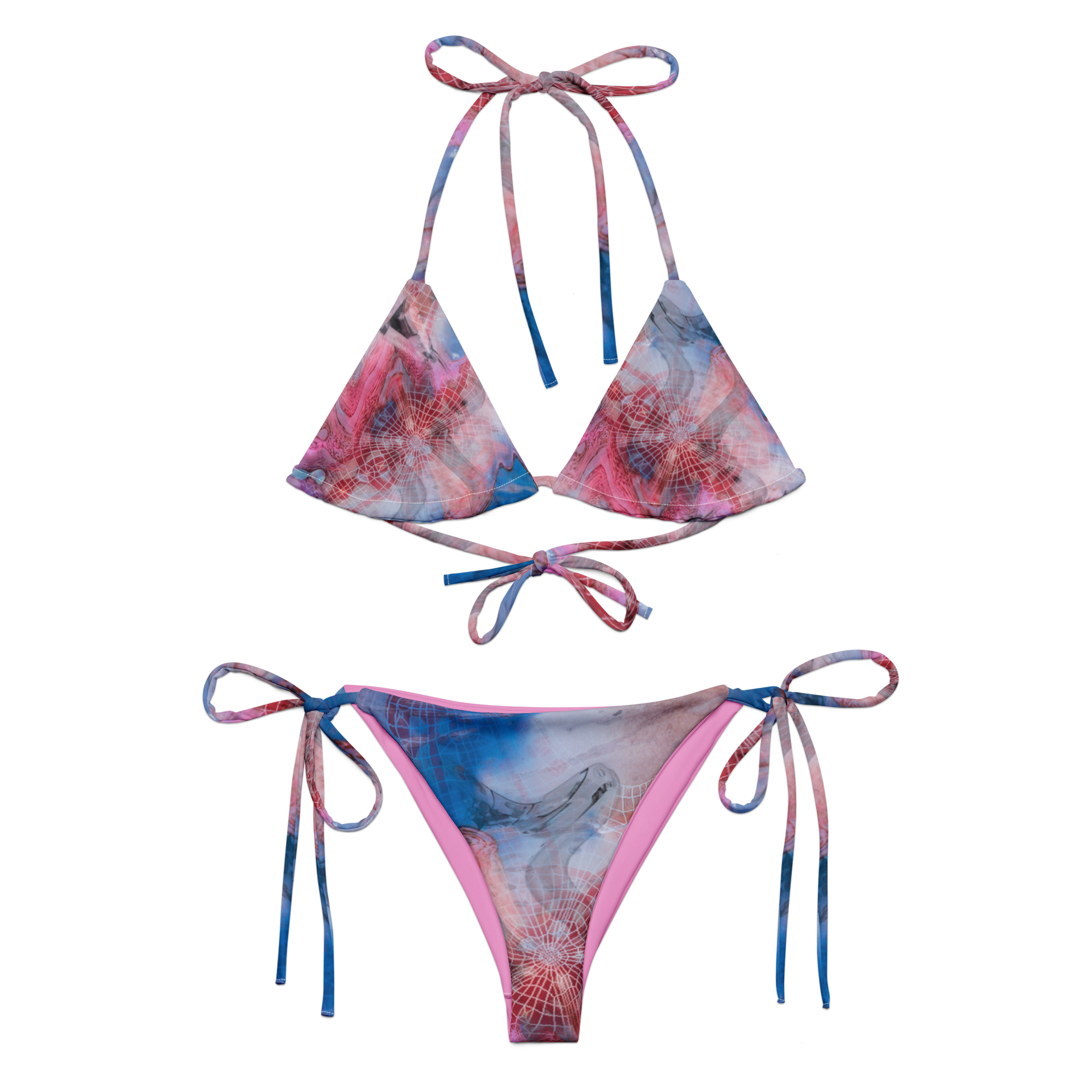
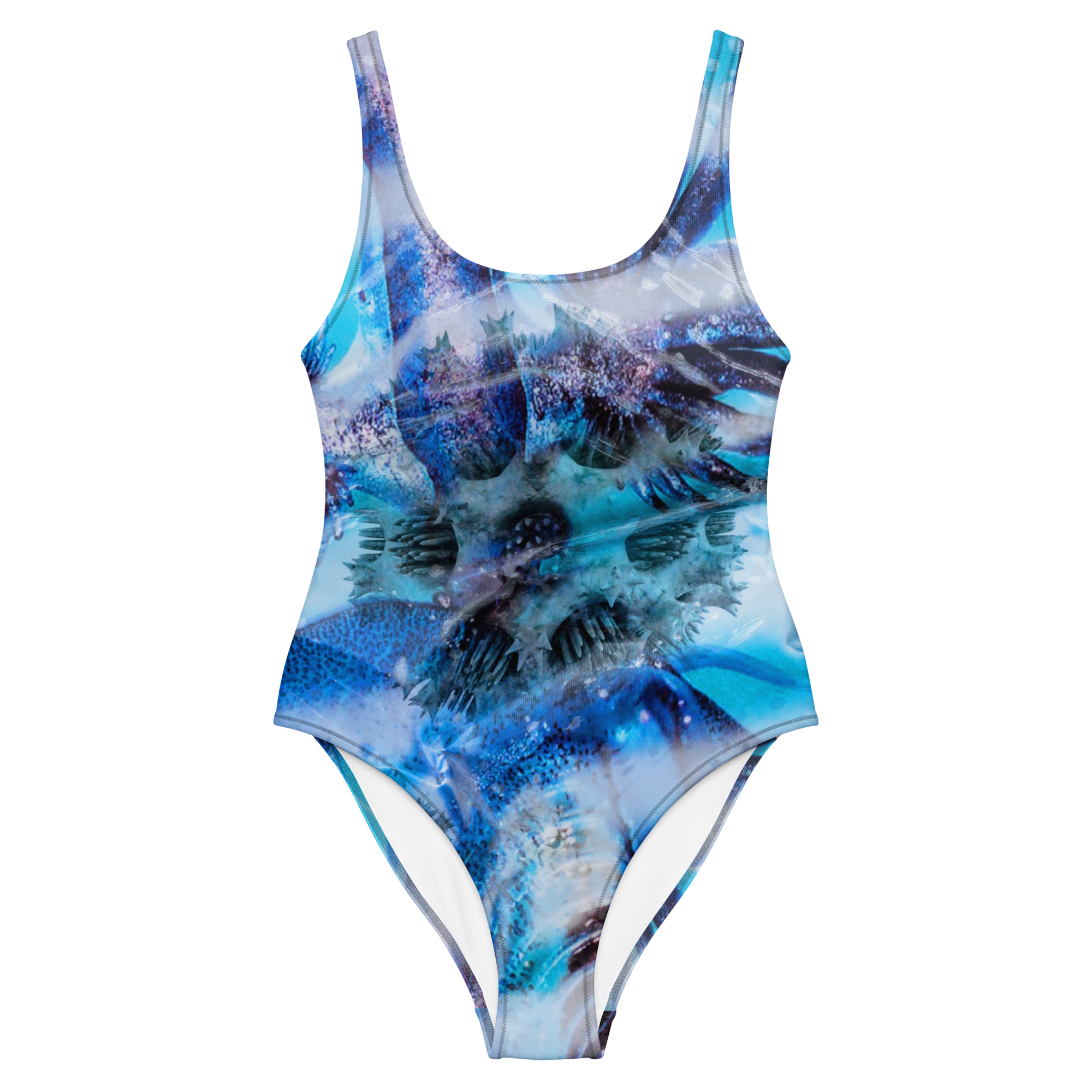
Estrid Lutz (b. 1989) is a French artist working in Puerto Escondido, Oaxaca, Mexico. Her practice investigates the poetic intersection of technoscientific and organic processes, utilising high-tech materials and blown glass, to create a "technopoetic" synthesis that dissolves the boundaries between the natural and the artificial. Lutz studied at the Beaux-Arts in Paris and Art Center in Los Angeles, her artworks have been exhibited in the U.S, Mexico, Europe, China and elsewhere and are in prestigious public and private collections internationally.
The original artwork, Collapse 0000001 is composed of inkjet prints on photographic paper, UV treated, air injected lenticular sheets, anti-corrosion, high temperature resistant honeycomb aluminium, epoxy-resin, and fiberglass. It was conceptualised and developed graphically in Puerto Escondido before being produced sculpturally in Vienna Austria where the artwork was exhibited.
Care Instructions:
To assure long life of your swimwear, please rinse thoroughly after each use to remove chlorine or salt, and line dry inside out or in the shade if possible.
Product information:
Wide, double-layered waistline band and Raglan sleeves for comfort and movement
Sun resistant with an Ultraviolet Protection Factor (UPF) of 50+
88% recycled polyester, 12% elastane for production in Latvia for EU and UK shipping
Fabric weight: 6.78 oz./yd.² (230 g/m²) in Latvia for EU and UK shipping
75% recycled polyester, 25% elastane for production in the US/Mexico
Fabric weight: 6.64 oz./yd.² (225 g/m²) in the US/Mexico
Blank product components sourced from Spain and Mexico
Knitting and dyeing in China, manufacturing in Latvia
Contains 88% recycled polyester and 0% dangerous substances
Meets the flammability, and formaldehyde, azo dyes, lead, cadmium, bisphenols, and phthalates level requirements.
Environmental concerns:
Like all synthetic garments, this item releases plastic microfibers into the environment during washing. For more information and mitigation strategies please see: https://www.bsac.com/news-and-blog/how-to-reduce-microplastics-in-the-ocean/