
Zürich: Jeni Fulton
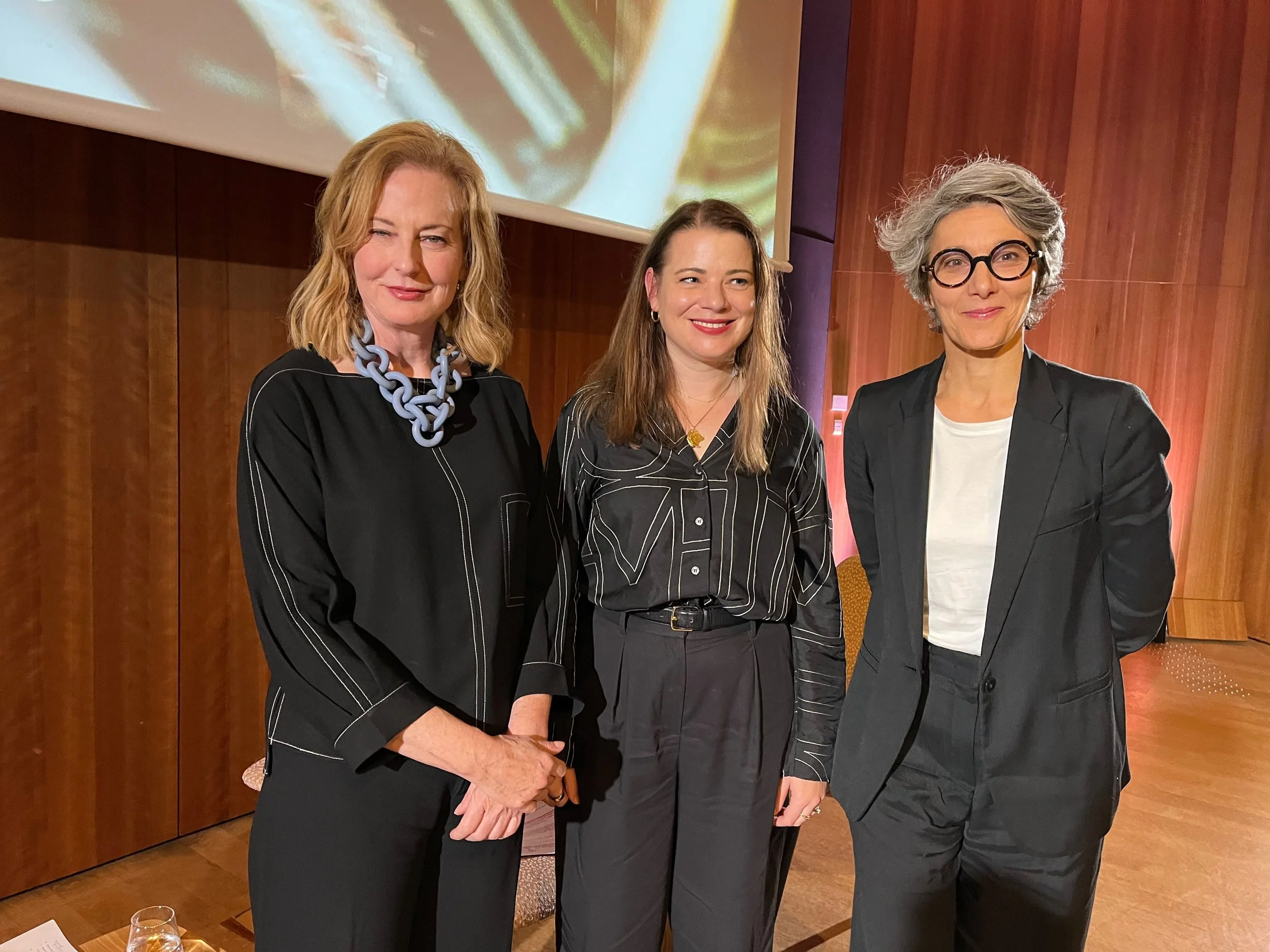
Dr. Jeni Fulton with Julia Peyton-Jones (left) and Sylvie Patry (right) at Art Basel Paris for the conversation "Galleries, the new institutions?"
Jeni Fulton is a writer and critic, specialising in contemporary art, the art market, and the intersections of culture and capital.
Jeni Fulton lectures at ZHdK Zürich University of the Arts on Art and Literature and Art and Technology and the UZH University of Zürich's Executive Master in Art Market Studies programme, and recently left an eight year tenure as Head of Editorial at Art Basel. Her role included founding and leading the organisation's global editorial platform, the collaboration with UBS on the Art Market Report, and hosting many panel discussions across the Art Basel circuit.
Jeni holds a PhD in value and evaluation in contemporary art from Humboldt University Berlin that examined the relationship between art, criticism, and the market after the rise of the internet. She is now focusing on projects including the monograph of Rebecca Allen, a pioneering digital artist who co-invented motion graphics, brought VR into the art field in the late 90s, and collaborated with many noteworthy figures including David Byrne, Devo, Kraftwerk, Nam June Paik, Twyla Tharp, and others.
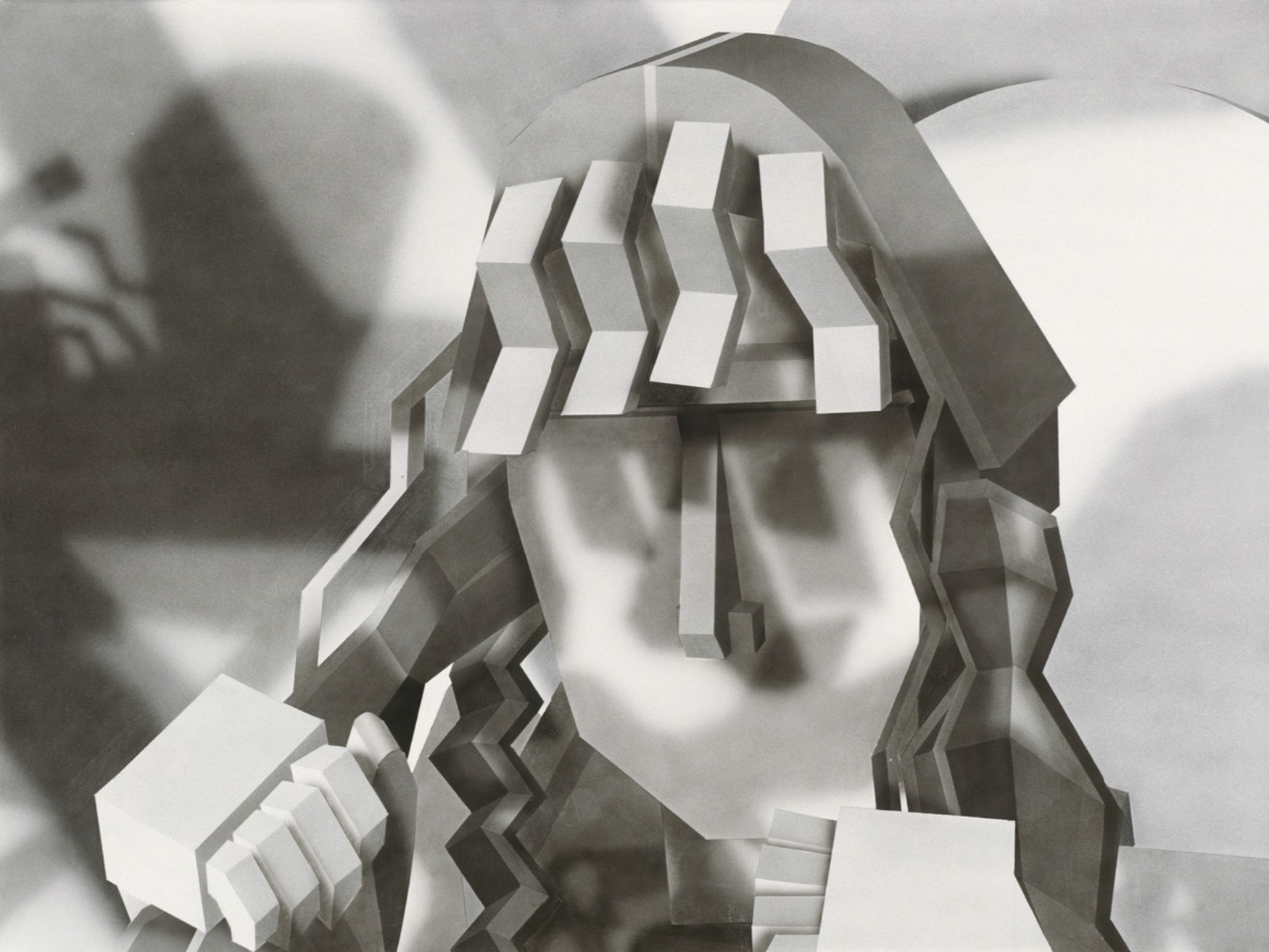

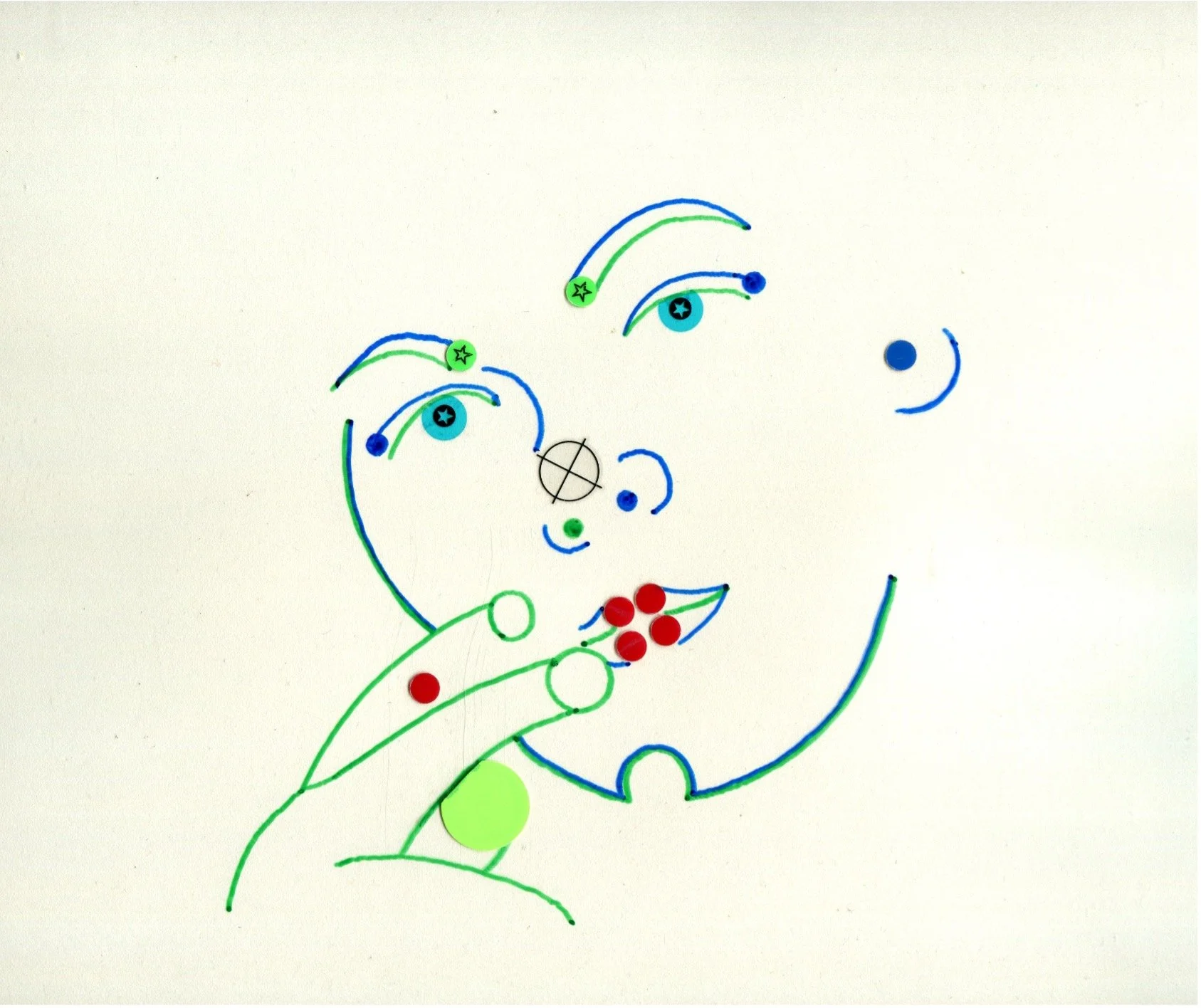

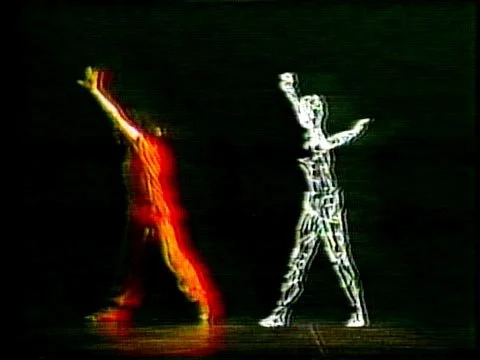
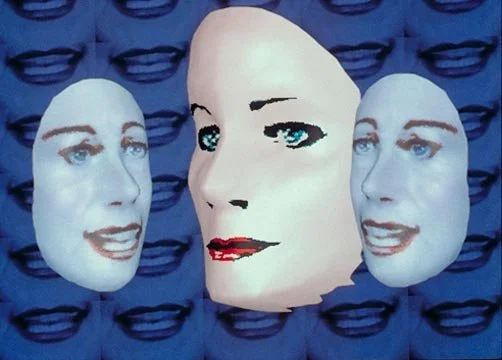
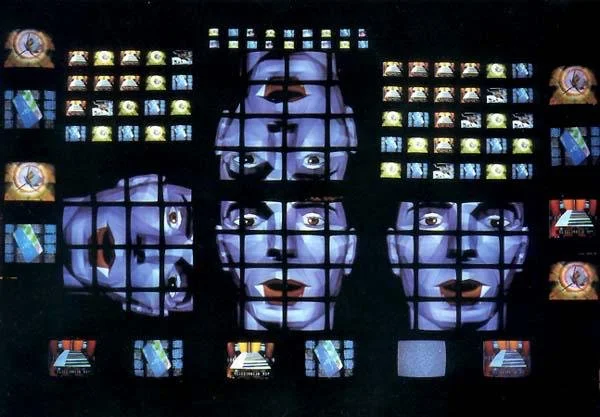
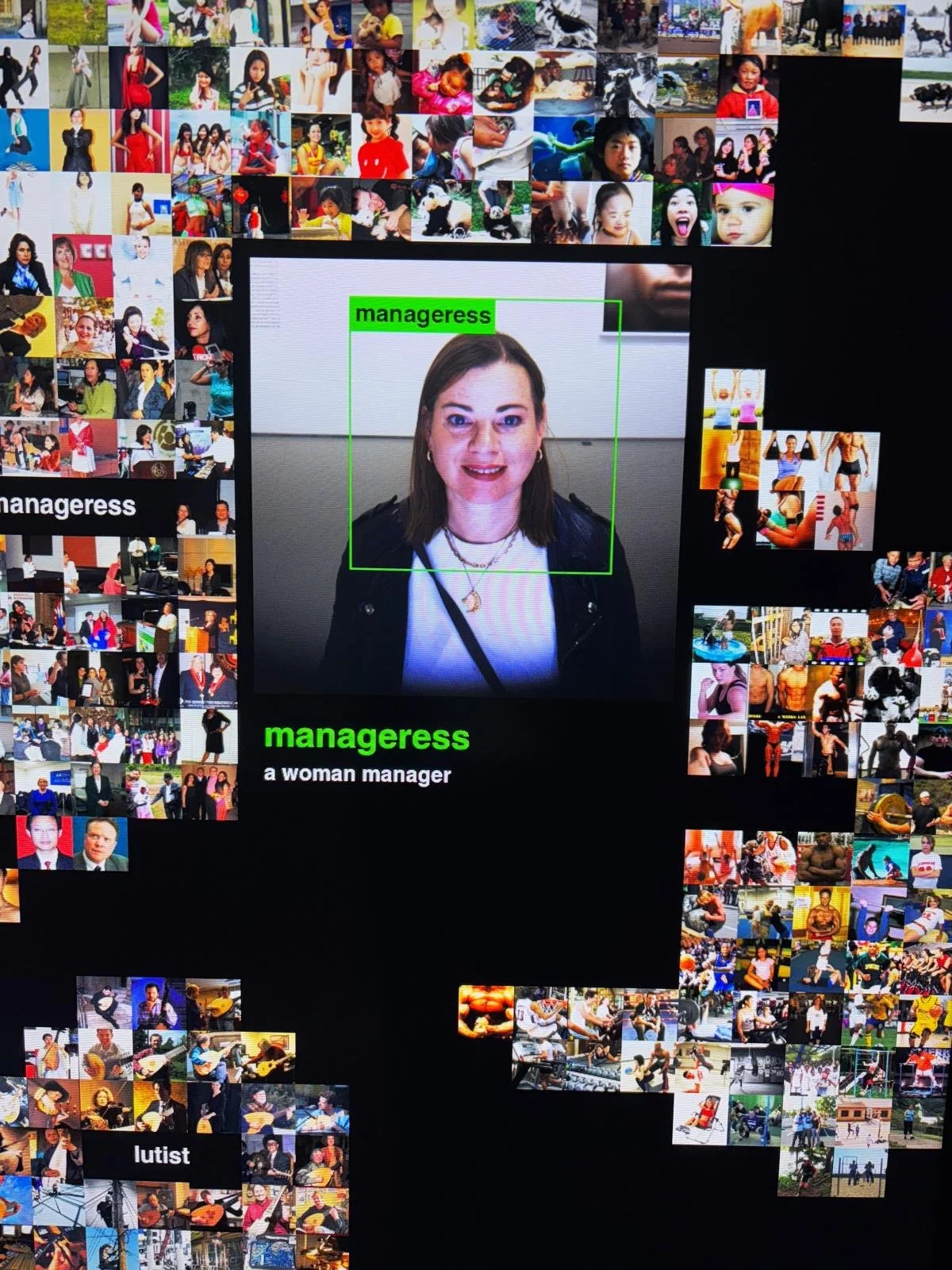

Image credits: (1) Avery Singer, Untitled (Study), 2014/2015, a work in Jeni Fulton's personal collection; (2) Kiya Tadele, Dr. Jeni Fulton and Maya Man after their conversation on the "Infinite scroll Art, algorithms and images today" at Art Basel Miami (3) Rebecca Allen, E-Motion, 1975 (4) Woman Ascending a Staircase, 1981 (5) Catherine Wheel, 1982 (6) Rebecca Allen, Adventures in Success, 1983 (7) Nam June Paik Collaborations, 1989 (8) Jeni Fulton with Trevor Paglen’s ImageNet Roulette (9) Jeni with her edition of Doku the creator by Lu Yang at Art Basel Hong Kong.
As a freelance journalist, Jeni continues to contribute to Frieze, Apollo, Spike Art Magazine, The Art Journal, Monopol, and others. Recent articles have focused on the art market’s k-shaped recovery, China’s new art market, and the exquisite corpse in the digital age. Look out for her focus on the Swiss Art Market published by The Art Journal ahead of Art Basel, and her profile of Adebunmi Gbadebo in the July print issue of Monopol Magazin.
In the lead up to Zürich Art Weekend Jeni also spoke to next gen Swiss creatives, including watchmaker Rexhep Rexhepi, Lopes Brenna architects and Kunsthalle Basel director Mohamed Almusibli for the summer issue of Orlando magazine, as well as diving deep into Chloe Wise’s first film for Monopol.
As an occasional art collector Jeni is interested in how artists think about technology around the world. Her collection includes works by Lu Yang, Ran Zhang, Sasha Stiles, Avery Singer and Jon Rafman. As someone who has spent considerable time across the art worlds of Zürich, Basel, and beyond, we are glad to have Jeni as our Guide to Zürich in 2026. Thanks Jeni!
☉ Despite the position in Basel, you chose to live in Zürich, can you explain the appeal of the city?
After 11 years in Berlin, I’m a city girl at heart! Basel is beautiful and I enjoy visiting, but I really enjoy the energy of Zurich, the contrast between the grittier urban spaces, the canals and former industrial enclaves, and the tony environs of the Züriberg villas and the Seefeld yummy mummies. The city has always been home to refugees and dissidents: Trotsky and James Joyce lived here and the city was famously home to the Zurich dada branch. The gallery scene is larger and more active in Zurich. I love visiting exhibitions, speaking to gallerists, artists, and collectors, and I teach here. On a personal note, hiking and skiing are some of my favourite hobbies, and Zurich has easy mountain access, as well as a well-connected train station and airport should you wish to go elsewhere!
☉ Given your PhD and experience within Art Basel writing the Market Report, what’s your scoop on Zürich?
Zürich is a city of contrasts. On the one hand, you have storied galleries like Annemarie Verna, who were the first to bring Sol Le Witt and Dan Graham to Europe, and Bruno Bischofberger, who brought Warhol and Basquiat. Then of course, one of the world’s leading galleries is here, Hauser & Wirth, who consistently stage noteworthy exhibitions. Private collections abound, from the Ursula Hauser collection to the Bechtler Stiftung and Nicola Erni’s collection. At the same time, there is a wealth of younger galleries doing interesting things that speak to a new generation of collectors here, like sentiment, Blue Velvet, Livie Gallery and Anna Helwing. It’s always worth looking at the exhibitions at the auction houses: I was intrigued by the wealth of art from East and South Asia at Koller Auktionen recently.
☉ What are the exhibition highlights in Zürich at the moment?
It’s Zurich Art Weekend, so the city has put on its gladrags: Alina Szapocznikow at Hauser & Wirth’s Bahnhofstrasse branch, and OZEANE FLIESSEN AUFWÄRTS, a large group show in a former 1930’s power plant are on my list. I’d be remiss not to mention the graduate show at ZHdK University of the Arts, which my students are participating in. Fabian Lang is showing Caroline Achaintre, a French textile artist. Francis Alys is a long-time favourite of mine, showing at Galerie Peter Kilchmann. Gallery House is an art fair for young galleries and project spaces from across Switzerland, situated in the former offices of Parkett magazine near the Löwenbräu. Löwenbräu itself houses the Migros Museum, who are showing Mohamed Bourouissa, and the branch of Hauser & Wirth showing Avery Singer, as well as many other galleries and exhibition spaces.
Of course there is much else to see, just grab a map and go for a wander, Zurich is very walkable! The weather promises to be nice, so if you get tired, you can take a refreshing dip in the Limmat river at Untere Letten pool, or at one of the many “badis” fringing the lake.
